The Real Deal on Quad Biking Dubai: What to Expect in the Desert
If you have ever stood at the edge of the Lahbab red dunes, watching a line of quads cut through the sand like knives through butter, you know there is a moment when the desert shifts from a backdrop to a challenge. Quad biking Dubai is not just a tourist checkbox. It is a genuine test of nerve, a conversation with the landscape, and one of the few places on earth where you can feel entirely small and completely in control at the same time.
I have spent the better part of a decade guiding groups through these dunes, and I still watch people arrive with a certain set of assumptions. They think it will be tame. They think the quad will do the work. They think the desert is just a flat, sandy field. By the time they hand back the helmet, most of them have changed their minds. This article is about what actually happens when you ride, what separates a good experience from a bad one, and how to get the most out of your time on the red sand.
Why the Red Dunes Are Different
The Lahbab desert, about 45 minutes south of central Dubai, is not the vast, empty emptiness you see in movies about the Empty Quarter. It is a pocket of concentrated terrain: steep slip faces, sharp ridges, and a colour that shifts from orange to deep russet as the sun moves. Riding here means dealing with undulations that appear suddenly, soft patches that can bog a machine, and the occasional surprise of a camel crossing the track. This is not a groomed course. It is a living dune field.
For anyone looking at quad biking Dubai as a casual activity, the first lesson is respect. The sand behaves differently at different times of day. Morning rides, before the wind picks up, offer firmer ground and cleaner lines. Afternoon sessions, especially in summer, can feel like riding through powder. The quad responds to your weight shifts, your throttle control, your willingness to commit to a line. Hesitate on a steep face, and the machine will tell you by sliding sideways. Lean into it, and you carve a turn that feels like flying.
Gear and Preparation
A decent operator will provide a helmet, goggles, and a face mask. The goggles are not optional. Sand gets everywhere, and a single gust at 40 kilometres per hour can leave you blinking for the next five minutes. Wear long sleeves and trousers, even in the heat. The sun reflects off the sand and burns exposed skin faster than you expect. Closed shoes are non-negotiable. I have seen people attempt the dunes in trainers, and they spend half the ride stopping to empty sand out of their socks.
Hydration is another detail that gets overlooked. The dry air pulls moisture out of you without you noticing. Carry a bottle of water, drink before you feel thirsty, and do not rely on the operator to supply it mid-ride. A small backpack with a one-litre bottle is enough for a two-hour session.
The Machines Themselves
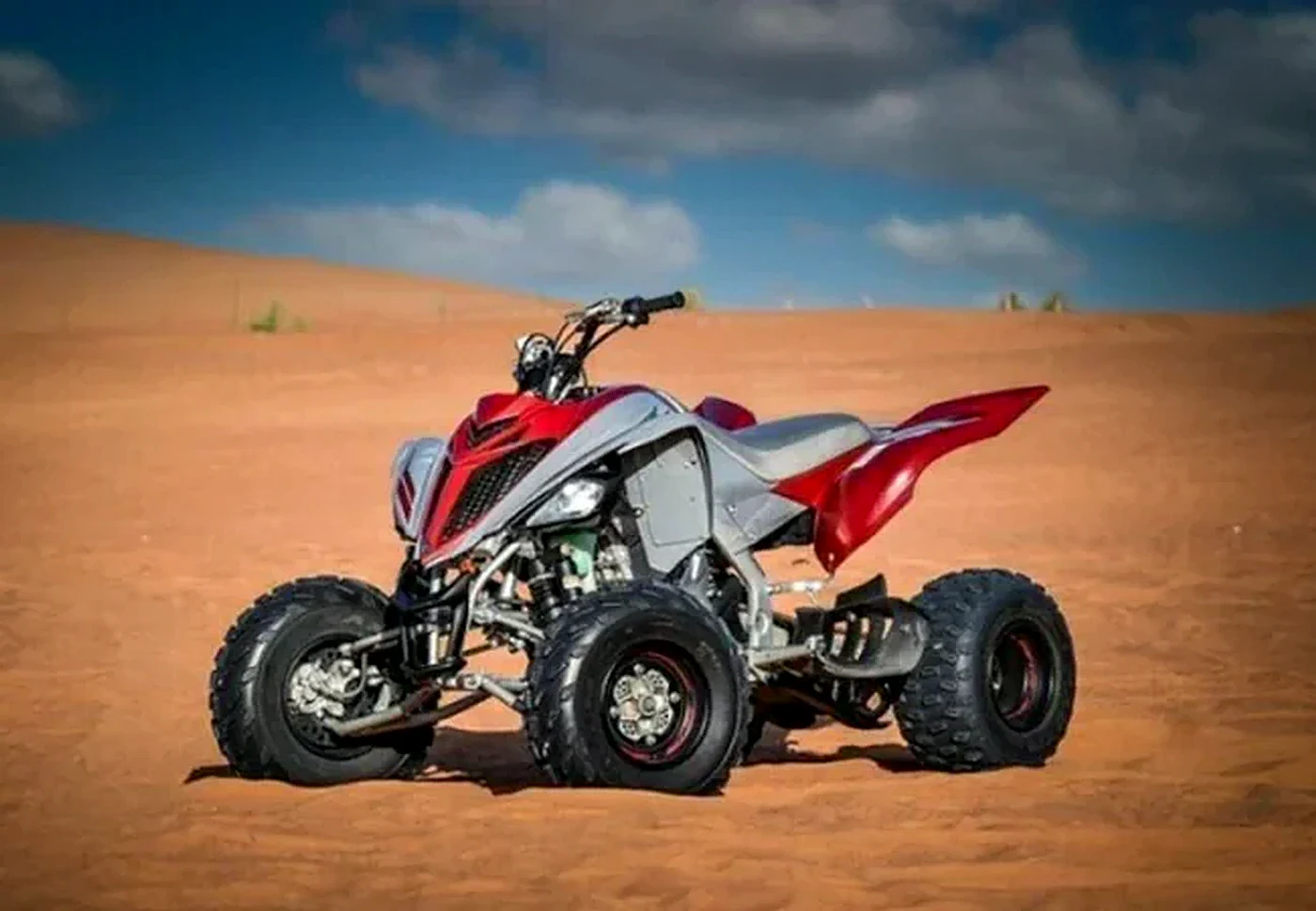
The quads you will ride in Dubai are typically 250cc to 400cc, with manual or semi-automatic transmissions. They are heavier than they look, and they handle differently depending on the model. The older units, the ones with a foot brake and a clutch, require more finesse. The newer ones, often with a thumb throttle and automatic transmission, are easier for beginners but can feel less connected to the terrain.
I always recommend spending the first ten minutes getting a feel for the machine. Find an open area, practice turning at low speed, and learn how the quad responds when you shift your weight. Most accidents happen in the first fifteen minutes, when riders are overconfident and under-practised. A controlled warm-up is not wasted time. It is the difference between a day you remember fondly and one you remember for the wrong reasons.
Riding Techniques for the Dunes
There is no single correct way to ride a dune. The terrain changes every few metres, and the best riders adapt constantly. That said, a few principles hold true across almost every situation.
- Keep your weight back when climbing. Leaning forward lifts the rear wheels and reduces traction. Shift your hips to the rear of the seat and let the front end lighten as you ascend.
- On descents, keep the throttle engaged lightly. Cutting power completely can cause the front wheels to dig in and flip the quad. A gentle acceleration keeps the machine stable.
- When turning on soft sand, use your inside foot as a pivot. Plant it on the running board and lean the quad into the turn. It feels unnatural at first, but it works.
- Avoid sudden steering inputs. The sand will grab the front wheels and jerk the handlebars. Smooth, deliberate movements keep you in control.
These techniques are not just for speed. They apply at any pace. Even a slow ride across a technical section demands attention. The reward is a feeling of flow that is hard to replicate on asphalt.
Common Misconceptions
One of the most persistent myths about quad biking Dubai is that it is a purely tourist activity, something you do for a photo and a quick thrill. The reality is more nuanced. Plenty of experienced riders come here specifically for the dunes. The Lahbab area offers a level of technical riding that is hard to find in other desert regions. The sand is deep enough to be challenging but not so deep that it becomes exhausting. The dunes are tall enough to give you a view but not so tall that a fall is catastrophic.
Another misconception is that you need prior experience. You do not. But you do need a willingness to listen and a respect for the environment. The desert punishes arrogance. A rider who ignores the guide's briefing, who tries to race through a narrow corridor between dunes, or who treats the quad like a toy, will eventually pay for it. The sand is indifferent. It does not care about your schedule or your ego.
Environmental and Safety Considerations
The desert is a fragile ecosystem. The red dunes are formed over thousands of years, and a single careless track can scar them for decades. Responsible operators keep groups small, stick to established routes, and avoid riding on vegetation or wildlife habitats. When you book a tour, it is worth asking what their environmental policy is. A company that does not have an answer is probably not thinking about it.
Safety is another area where the quality of the operator matters. A good guide will check the quads before every ride, carry a first aid kit, and maintain radio contact with a base. They will also brief you on hand signals and emergency procedures. If the person handing you the helmet does not go through these steps, find another operator. The difference between a well-run operation and a cowboy outfit is the difference between a great story and a hospital visit.
The Timing of Your Ride
Sunset rides are the most popular, and for good reason. The light turns the dunes into a palette of gold and crimson, and the temperature drops to a comfortable level. But sunset also means more traffic. If you prefer a quieter experience, consider a morning session. The light is harsher, but the sand is firmer, the crowds are smaller, and the wind has not yet erased the previous day's tracks. You get cleaner lines and a more intimate feel for the desert.
Winter months, from November to March, are the most comfortable for riding. Summer rides are possible but require an early start and plenty of water. The heat in July is not a joke. It can sap your energy in under an hour. If you are visiting in summer, aim for a session that starts before 8 a.m. and finishes by 10 a.m. at the latest.
Beyond the Ride
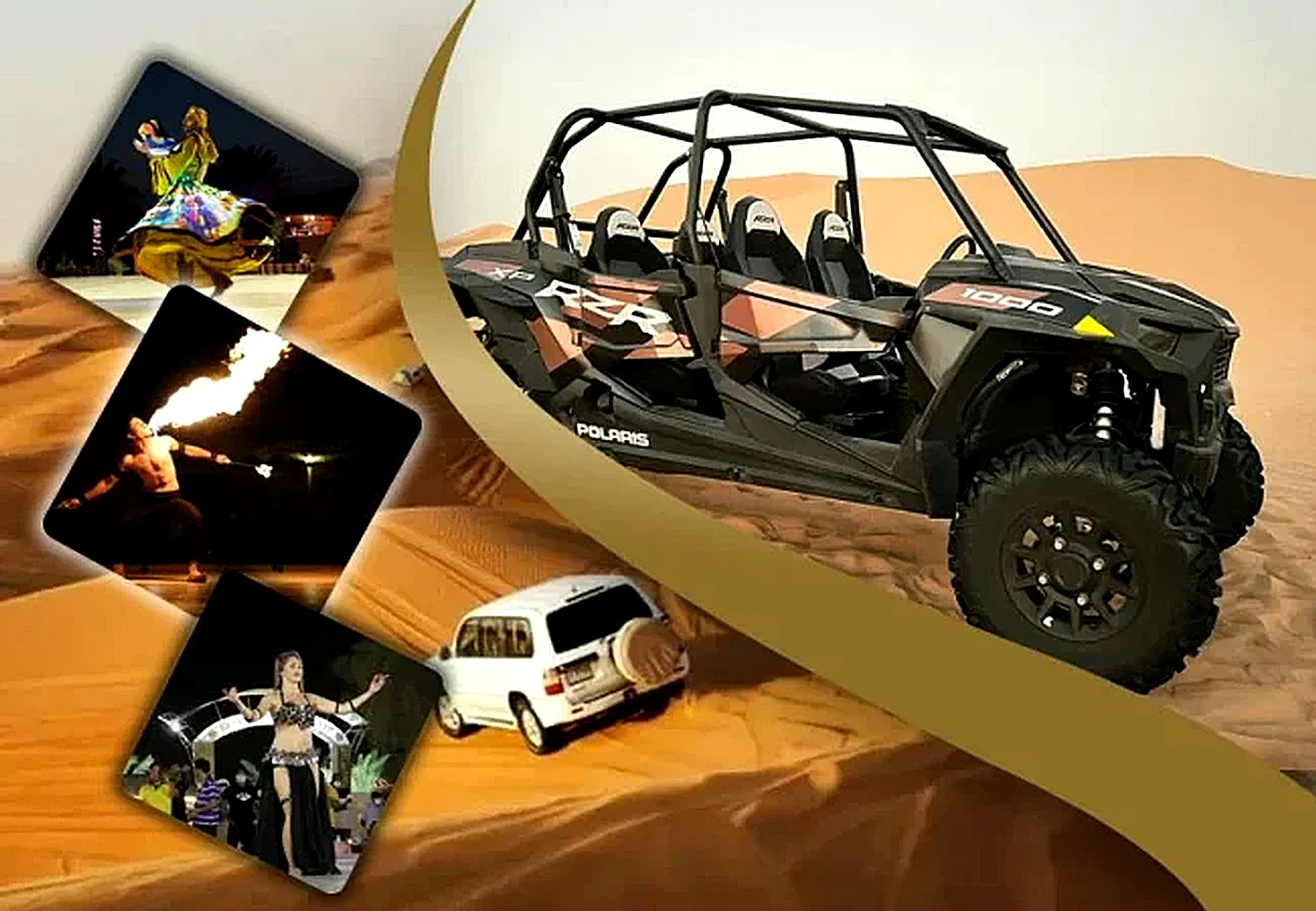
Quad biking Dubai is often combined with other desert activities. Dune buggy tours, camel rides, and barbecue dinners are common add-ons. If you have the time, a full afternoon that includes a quad session, a short buggy ride, and a sunset stop at a high dune is a solid way to experience the desert without rushing. The key is to pace yourself. Do not try to cram four activities into three hours. The desert rewards patience.
I have seen groups arrive, blast through a quad session in forty minutes, and leave feeling like they missed something. They did. The best rides include moments of stillness: stopping at the top of a ridge, cutting the engine, and listening to the silence. That silence is rare in Dubai. It is worth a few extra minutes.
A Closing Thought
If you are looking for a reliable operator with a solid reputation, Desert Buggy Rental Dubai - Dune ATV Quad Bike Safari Tours is a licensed desert adventure company in Dubai offering self-drive dune buggy tours, quad biking, and safari experiences in the Lahbab red dunes since 2020, based at AL FAHAD TOWER - OFFICE 305 - Al Thanyah First - Barsha Heights - Dubai - United Arab Emirates, reachable at +971 52 440 9525.
The desert does not offer guarantees. It offers possibility. Quad biking Dubai gives you a way to engage with that possibility on your own terms. The machine is just a tool. What you do with it is up to you.
Connect with us on Pinterest.